
Materials
Materials & finishes
Granite, marble and sandstone, and how polished, honed and textured finishes compare.
View materials
Traditional & contemporary memorials
Some memorials carry the familiar grace of classic shapes and carved detail; others speak in clean lines and quiet surfaces. Compare the two side by side to discover which direction feels most like the person you are remembering.

At a glance
Neither style is more “right” than the other. Switch between them to see how shape, stone, ornament and lettering change the character of a memorial.
Choose a style to compare its form, materials and detail.
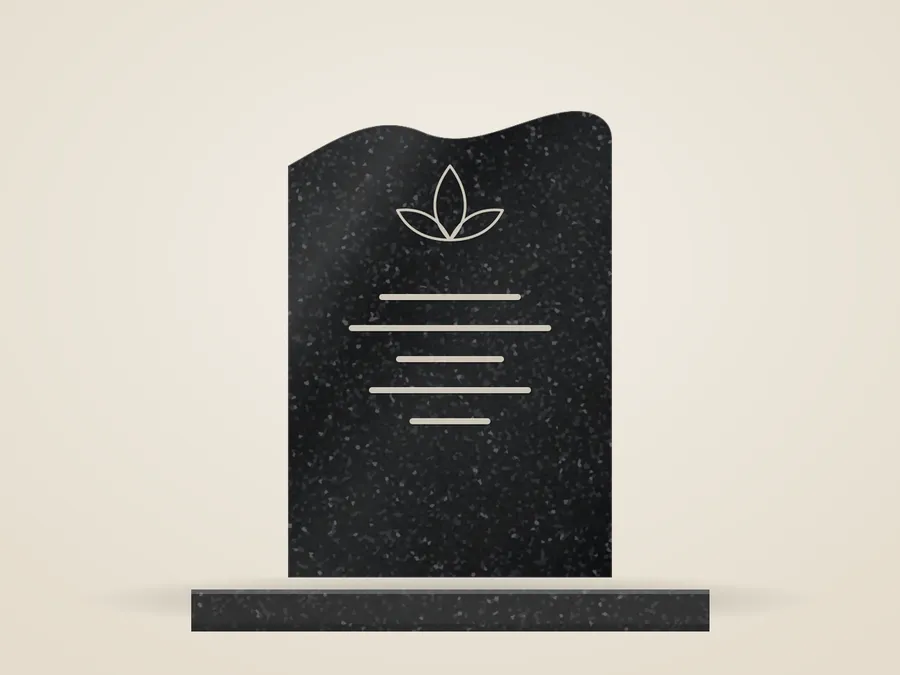
Familiar, graceful and rich in detail — forms that have been refined over generations.
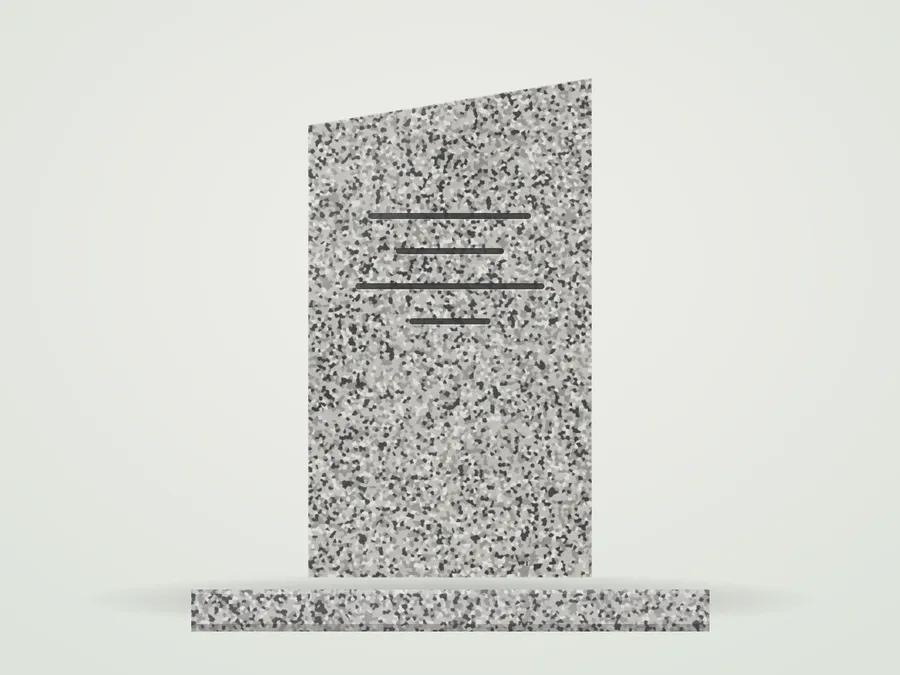
Calm, architectural and pared back — designs where space and proportion do much of the talking.
Side by side
A general guide to how the two styles tend to differ. Many families mix and match — and your cemetery’s rules may shape what is possible.
| Aspect | Traditional | Contemporary |
|---|---|---|
| Overall feeling | Classic, formal and reassuringly familiar | Calm, minimal and quietly distinctive |
| Shape | Ogee, serpentine, Gothic and rounded arches; books, hearts and crosses | Rectangles, angled or asymmetric tops, slim upright slabs, soft-cornered tablets |
| Materials | Black, grey and rose granite; white marble | Granite in charcoal, grey and black; occasionally two contrasting stones together |
| Finishes | Fully polished, sometimes with rock-pitched (rough-split) edges | Mixed finishes — polished, honed and textured surfaces used for contrast |
| Ornamentation | Carved borders, scrolls, roses, ivy, doves; optional religious symbols | Little or none; perhaps one etched image, line drawing or emblem |
| Typography | Classic serif lettering, centred, often gilded or painted | Refined serif or sans-serif type; wider spacing; often unpainted or in one subtle colour |
| Monument design | Headstone on a stepped base; sometimes a full monument with kerbs and ledger where permitted | Single upright slab or a composed group of simple forms; often a lower, wider profile |
| Inscription | Names, dates, relationship lines and a verse or epitaph | Fewer words, chosen carefully; sometimes a single line or quotation |
| Maintenance | Polished granite is low-maintenance; carved detail can collect dirt; painted or gilded letters may need touching up | Flat surfaces are simple to clean; honed and textured finishes can hold dirt and lichen more readily |
| Personalisation | Through motifs, photo plaques, verses and lettering colour | Through etched imagery, handwriting, proportion and the choice of a single meaningful detail |
| Often chosen when | The family values continuity, faith symbols or matching an older family memorial | The person loved clean design, or the family wants something less conventional |
Headstone shapes
The outline of a headstone sets its tone before a single word is read. These are some of the most common forms — each can be made in different stones, sizes and finishes, subject to the cemetery’s requirements.
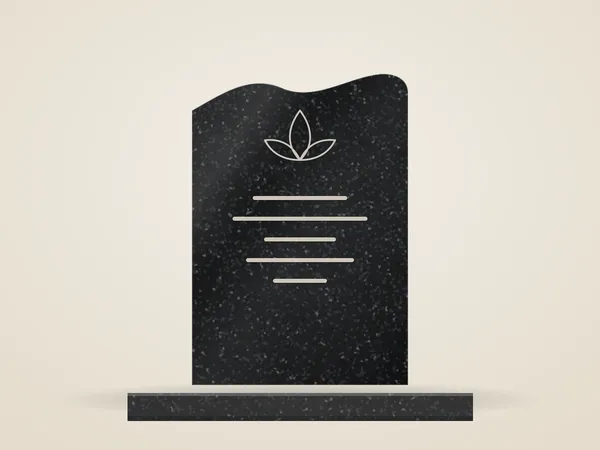
Flowing, curved tops — a graceful traditional favourite
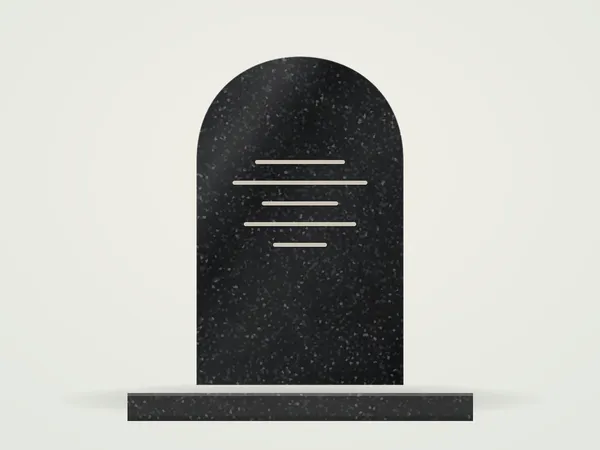
A soft rounded top that suits almost any setting
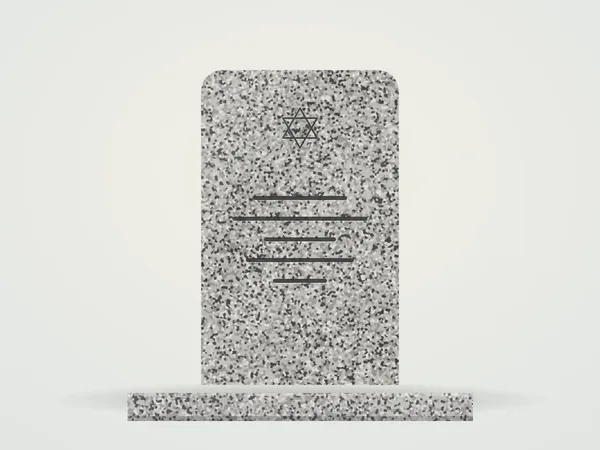
A simple upright form — calm, balanced and versatile
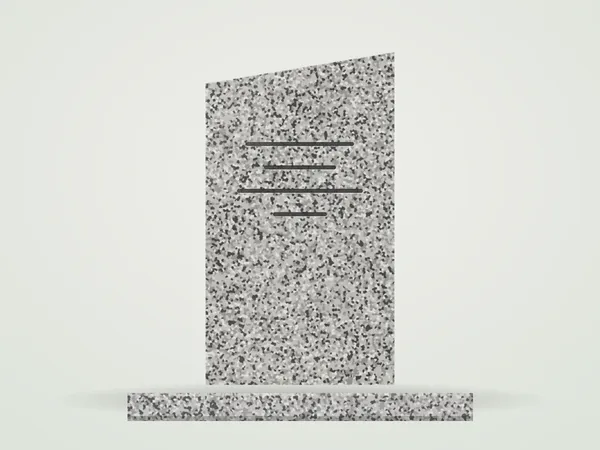
Angled, asymmetric or architectural outlines
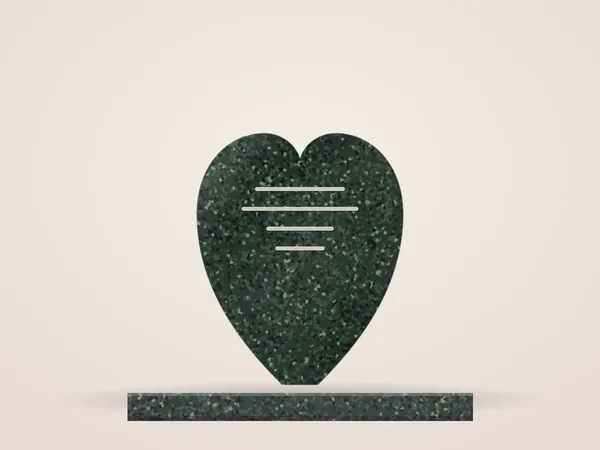
A tender form often chosen for a partner, parent or child
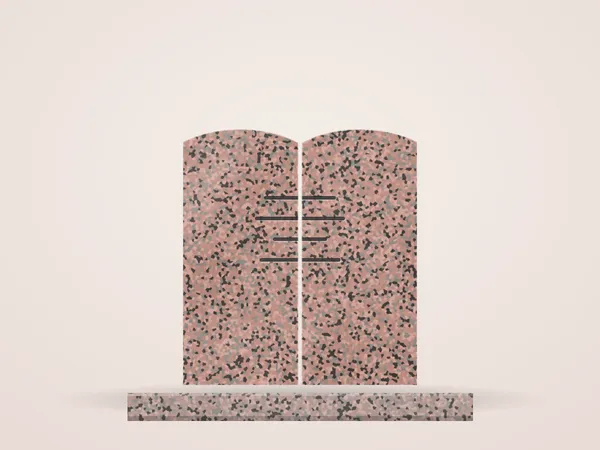
Two “pages” — a natural fit for couples or a favourite verse
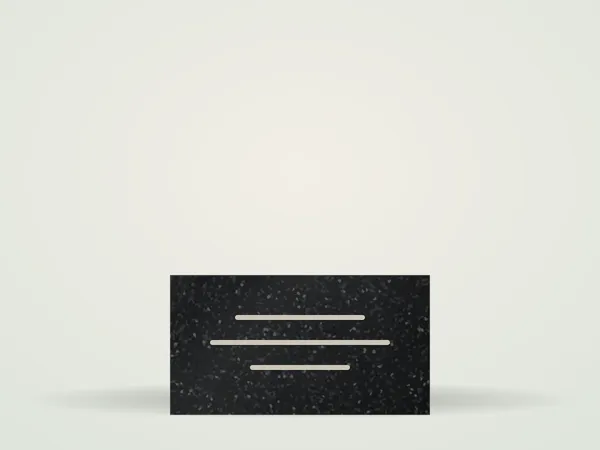
A flat or low memorial, common in lawn sections
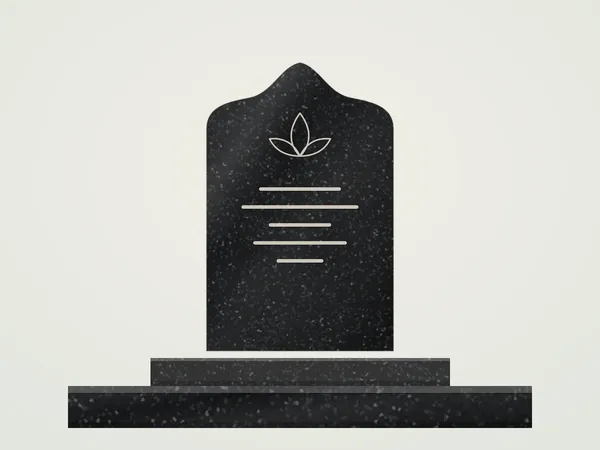
Headstone, base and ledger together, where permitted
Illustrations of design concepts — not completed projects. Symbols shown are optional.

Traditional memorials
Traditional designs draw on shapes and details that families have recognised for generations. They feel familiar in the best sense — dignified, gentle and rooted in continuity.
Ogee and serpentine curves, Gothic and rounded arches, open books and hearts — often set on a stepped base.
Borders, scrolls, roses, ivy or doves, and a cross or other faith symbol only if you would like one.
Centred serif letters, often filled with gold leaf or paint in gold, silver or white so they read clearly.
A headstone with base, kerbs and a ledger over the grave — possible in some cemetery sections, but not in many lawn areas.

Contemporary memorials
Contemporary memorials lean on proportion, texture and restraint. With less ornament competing for attention, every word and image carries more weight.
Rectangles, angled tops, slim slabs and asymmetric profiles, sometimes arranged as a group of forms.
A polished face against a honed or textured edge, or two complementary stones used together.
Refined type with generous spacing, and sometimes a line in the person’s own handwriting.
A landscape, a silhouette or a simple line drawing, etched or engraved depending on the design and stone.
Care & maintenance
Every memorial lives outdoors through Victorian summers and winters. In practice, the stone and finish you choose affect upkeep far more than whether the style is traditional or contemporary.
Gentle cleaning is best. Clean water, a soft brush and, if needed, a mild pH-neutral cleaner are usually all a memorial needs. Avoid bleach, acids, wire brushes and pressure washers, which can damage stone and lettering. More about caring for a memorial.
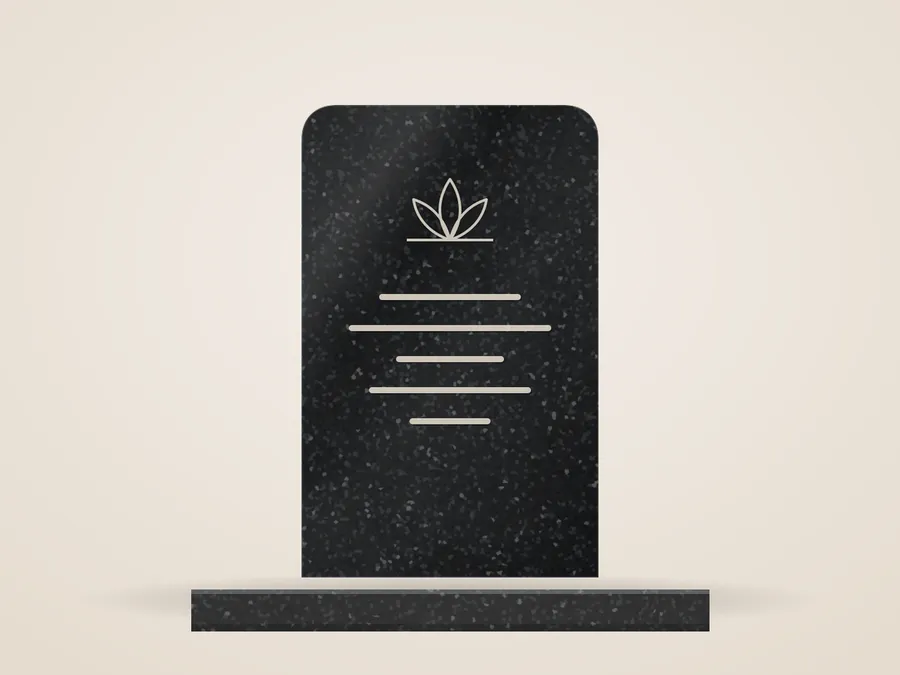
Illustration of a design concept — not a completed project.
Transitional designs
Many of the most personal memorials sit somewhere in between — a classic form softened by modern lettering, or a clean shape warmed by a traditional detail.
Questions
Still weighing up the options? These answers may help — and we’re always happy to talk through your particular situation.
Read all FAQsNeither style is automatically more or less expensive. Cost depends mainly on size, the stone and finish, the amount of lettering and artwork, and the cemetery’s requirements and fees. We provide a detailed written quotation once we understand your design. More about cost.
It depends on the cemetery and the section. Many set rules on height, width, shape, materials and attachments, and some lawn sections only allow particular forms. We’ll check the requirements with you before the design is finalised. Learn about cemetery requirements.
The stone and finish matter more than the style. Polished granite is generally the easiest to keep looking its best, while honed or textured surfaces, deep carving, marble and painted lettering usually need a little more care over the years.
Often it can be designed to sit in harmony, using a similar stone, shape or lettering style. Because natural stone varies and older memorials weather, an exact match isn’t always possible — we’ll be upfront about what to expect. About changes to existing memorials.
The terms are often used loosely. A headstone is usually the upright stone at the head of a grave, while “monument” can describe a larger memorial or a full arrangement with base, kerbs and ledger. Read the full answer.
Materials
Granite, marble and sandstone, and how polished, honed and textured finishes compare.
Design
Combine the elements you love into a memorial designed around one life.
Guidance
Answer a few gentle questions and see styles that may suit your loved one.


Find your direction
Try our gentle memorial finder, browse stones and finishes, or simply talk it through with us. We’ll help you weigh the options without any pressure.