

Cemeteries & requirements
Understanding cemetery requirements in Melbourne and Victoria
Every cemetery has its own rules about what can be placed on a grave, and how. This guide explains the basics in plain language — grave types, memorial permits, size and material limits, installation — and the questions worth asking before you order a headstone.

Why it matters
Why cemetery regulations matter
Knowing the rules first means the memorial you design is one the cemetery can accept.
Cemetery rules can feel like red tape at a difficult time. In practice, they exist to keep cemeteries safe, orderly and respectful for every family who visits.
A memorial is a heavy, permanent structure placed among many others. Rules about size, foundations and installation help prevent stones from leaning or falling. Section-by-section guidelines keep a consistent character — a lawn section, for example, is designed to be mown and walked across. And approval processes help make sure the people who hold the rights to a grave agree to what is placed on it.
Ordering a memorial before checking the cemetery’s requirements can lead to costly redesigns or delays. That is why we look at the cemetery and section early in every conversation.
General information only. This page offers a general overview, not legal advice. Requirements differ between cemeteries and change over time, so always confirm the current rules with the cemetery responsible for the grave.
Grave & memorial types
Different sections, different memorials
Cemeteries are usually divided into sections, and the type of section largely determines what kind of memorial is permitted. Names and rules vary, but most fall into a few broad groups.
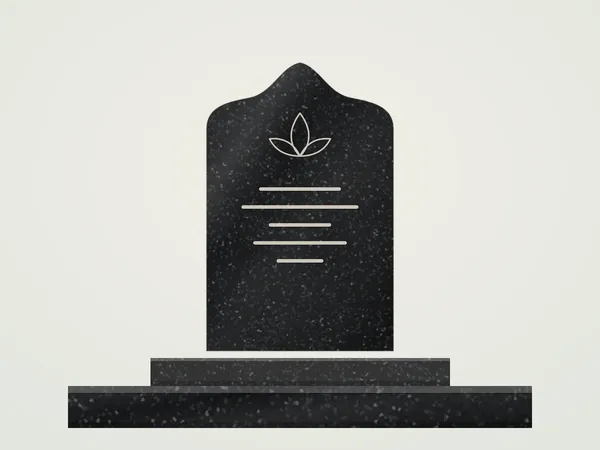
Monumental sections
Often called traditional sections. These may allow upright headstones, full monuments with a base, kerbing or a ledger covering the grave — within the cemetery’s size and design limits.

Lawn sections
Open, grassed areas where memorials are usually plaques or low headstones set on a concrete beam. Size, materials and placement are often closely specified to keep the lawn uniform.

Gardens & niche walls
For cremated remains, many cemeteries offer memorial gardens, rose beds and niche walls. Memorials here are typically small plaques in a set format, sometimes supplied or specified by the cemetery.

Mausoleums & crypts
Above-ground buildings with individual crypts. Crypt fronts and inscriptions usually follow the building’s design, and the cemetery may manage or closely control how they are made.
Illustrations of design concepts — not completed projects.
Some cemeteries also have natural burial areas, where conventional memorials may be limited or not permitted. If you are unsure which type of grave your loved one is in, the cemetery can tell you — or ask us and we’ll help you find out.
Memorial permits
How cemetery approval generally works
In Victoria, public cemeteries are managed by cemetery trusts under the Cemeteries and Crematoria Act 2003.
Before a memorial is installed, it usually needs the cemetery trust’s approval — often called a memorial permit. The application commonly needs the consent of the right of interment holder: the person who holds the right to decide who is buried in a grave and what memorial is placed on it. Some cemeteries, and some religious or community sections within them, may have additional requirements of their own.
The Victorian Department of Health provides information for the cemetery sector, including guidance for families. You can find it at health.vic.gov.au/cemeteries-and-crematoria.
-
Check the rules
Find out what the cemetery allows in that section — memorial type, size, materials and any design limits.
-
Prepare the application
A drawing or description of the memorial, its dimensions, materials and inscription, in the format the cemetery asks for.
-
Obtain consent
The right of interment holder commonly signs or gives written consent. Any fees set by the cemetery are paid as required.
-
Cemetery review
The cemetery assesses the application and, if approved, may set conditions for installation and timing.
We can help you understand and prepare the application. The decision, and any fees, rest with the cemetery.

Size & materials
Monument size and material restrictions
Most cemeteries set limits on how large a memorial can be and what it may be made from. These limits vary from cemetery to cemetery, and often from section to section within the same cemetery.
Why we don’t publish dimensions. Specific measurements and policies differ widely and are updated by cemeteries over time. We’ll confirm the current requirements for your cemetery and section before your design is finalised.
Installation
What installation can involve
A memorial must be fixed safely and in the way the cemetery specifies. These are some of the things cemeteries commonly consider.
Foundations & beams
Many memorials sit on a concrete foundation or a lawn beam. The cemetery may provide the beam or specify how the foundation is built.
Settling time
After a burial, the ground needs time to settle. Some cemeteries ask families to wait a period before a memorial is installed. More on timing.
Who installs
Some cemeteries install memorials themselves, or only allow approved or registered installers. Others accept qualified monumental masons who meet their conditions.
Safety standards
Memorials in Australia may be expected to meet relevant standards, such as AS 4204 for headstones and cemetery monuments, along with the cemetery’s own conditions.
Melbourne
Some well-known Melbourne cemeteries
Melbourne has many public, private and religious cemeteries, each with its own memorial guidelines. A few of the larger ones are listed here purely as examples.
Please read. These cemeteries are named for information only. Victoria Memorials does not claim approval to work at any named cemetery, and this list is not an endorsement of, or affiliation with, any cemetery or trust.
Cemetery-specific information — including memorial rules, fees and installer requirements — must be confirmed directly with the cemetery.
-
Springvale Botanical Cemetery
A large cemetery in Springvale, in Melbourne’s south-east.
Check current memorial guidelines directly with the cemetery.
-
Bunurong Memorial Park
A memorial park in Dandenong South, in Melbourne’s south-east.
Check current memorial guidelines directly with the cemetery.
-
Fawkner Memorial Park
A memorial park in Fawkner, in Melbourne’s north.
Check current memorial guidelines directly with the cemetery.
-
Northern Memorial Park
A memorial park in Glenroy, in Melbourne’s north.
Check current memorial guidelines directly with the cemetery.
-
Melbourne General Cemetery
A historic cemetery in Carlton North, in Melbourne’s inner north.
Check current memorial guidelines directly with the cemetery.

Regional Victoria
Country and town cemeteries
Across regional Victoria, many cemeteries are looked after by smaller local trusts, often run by volunteers from the community.
These cemeteries may have simpler processes, but they still have rules — and contact details can vary, from a trust secretary to the local council or a nearby larger trust. Older country cemeteries may also have historic sections with their own character to respect.
If you aren’t sure who manages a regional cemetery, a sign at the gate, the funeral director or the local council can often point you in the right direction. We’re also glad to help you work it out.
Working with families in regional VictoriaTalking to the cemetery
Questions to ask cemetery operators
Cemetery staff are usually happy to help. These questions cover the details that most often affect a memorial’s design, cost and timing.
- What type of section is the grave in, and what memorials are allowed there?
- Are there limits on size, shape, stone, colour or finish?
- Can you send us the current memorial guidelines in writing?
- How do we apply for a memorial permit, and what must be included?
- Who holds the right of interment, and does that person need to sign?
- What fees apply to the permit, installation or foundation?
- Is there a waiting period after burial before a memorial can be installed?
- Do you install memorials yourselves, or require approved installers?
- Are photo plaques, vases, lights or other additions permitted?
- Can names be added to the memorial later, and what approval does that need?
A simple checklist
What to confirm before ordering a memorial
Checking these early helps avoid redesigns and delays later on. We’ll work through them with you.
See how the whole process fits together- The cemetery name, section and grave location
- The type of memorial permitted in that section
- Current size, material and design requirements
- Who holds the right of interment, and that they consent
- What the permit application needs and who will lodge it
- Which cemetery fees apply, separate from the memorial itself
- Any waiting period after burial
- Who is permitted to install the memorial
- Whether photos, additions or future inscriptions are allowed
- That names, dates and translations have been checked by the family
Questions
Cemetery questions families ask
If your situation isn’t covered here, we’re happy to talk it through.
Read all FAQsCan any headstone be placed on any grave?
No. What is allowed depends on the cemetery and the section. A lawn section may only permit a plaque or low headstone on a beam, for example, while a monumental section may allow a full monument. Headstones and monuments compared.
Are you able to install at my cemetery?
It depends on the cemetery. Some install memorials themselves or only allow approved installers. We’ll check your cemetery’s requirements and tell you honestly how installation would be arranged there. More about installation.
We don’t know who holds the right of interment. What should we do?
The cemetery keeps records of right of interment holders and can explain what to do if the holder has passed away or can’t be found. We can help you prepare questions to ask. About cemetery approval.
Can we add a photo, vase or solar light?
Often, but not always. Many cemeteries have specific rules about additions, particularly in lawn sections. We’ll confirm what your cemetery permits before these are included in a design.


Unsure about the rules?
Tell us the cemetery, and we’ll help you understand what’s involved
Share the cemetery name and anything you know about the grave. We’ll explain the likely requirements and what to confirm with the cemetery before you decide on a design.
- Melbourne & regional Victoria
- No obligation